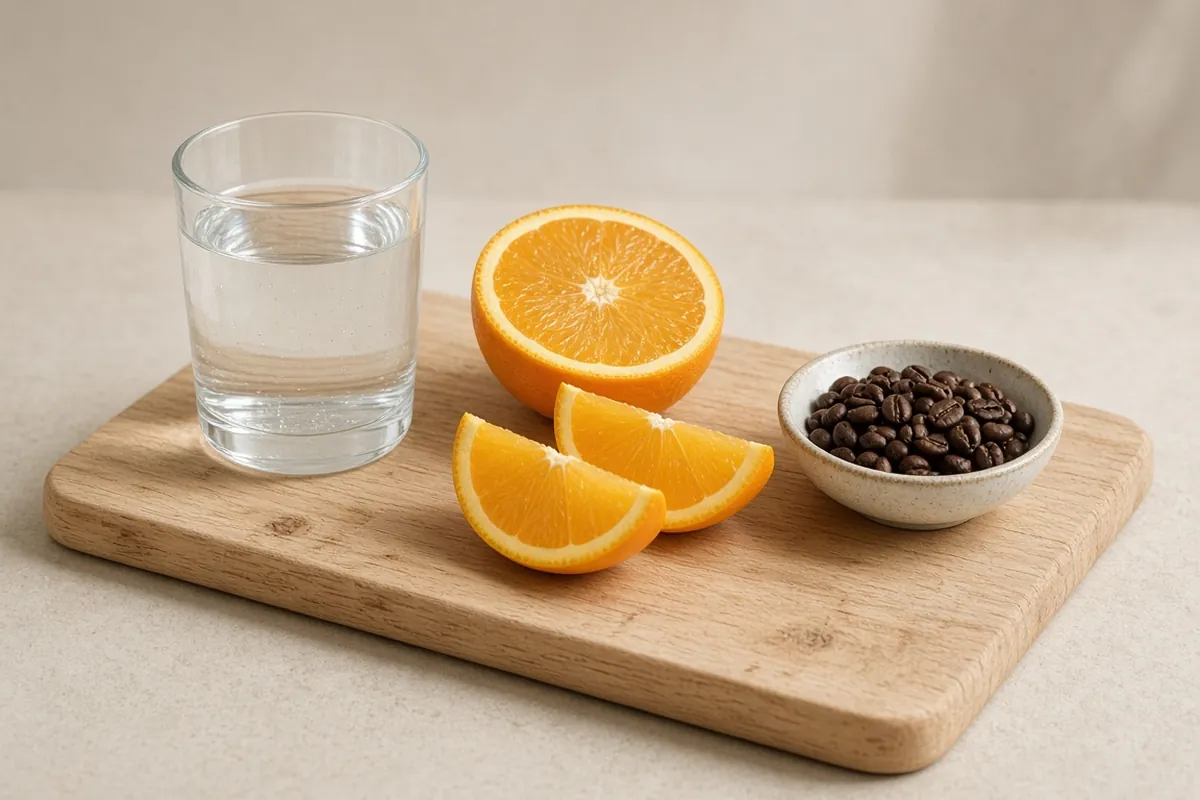
A smooth drink and a dry one can be filed as two tastes. The pages read here file dryness of that kind as touch.
Astringency, on the Wine Folly explainer, is a feeling on the tongue, not one of the five tastes. Expectation from appearance is a separate problem: the Wine Anorak article says the eyes influence the perception of wine before a person is aware of it. Neither statement is a result for a commercial product.
The section is product experience. The five tastes are on the smell and taste page.
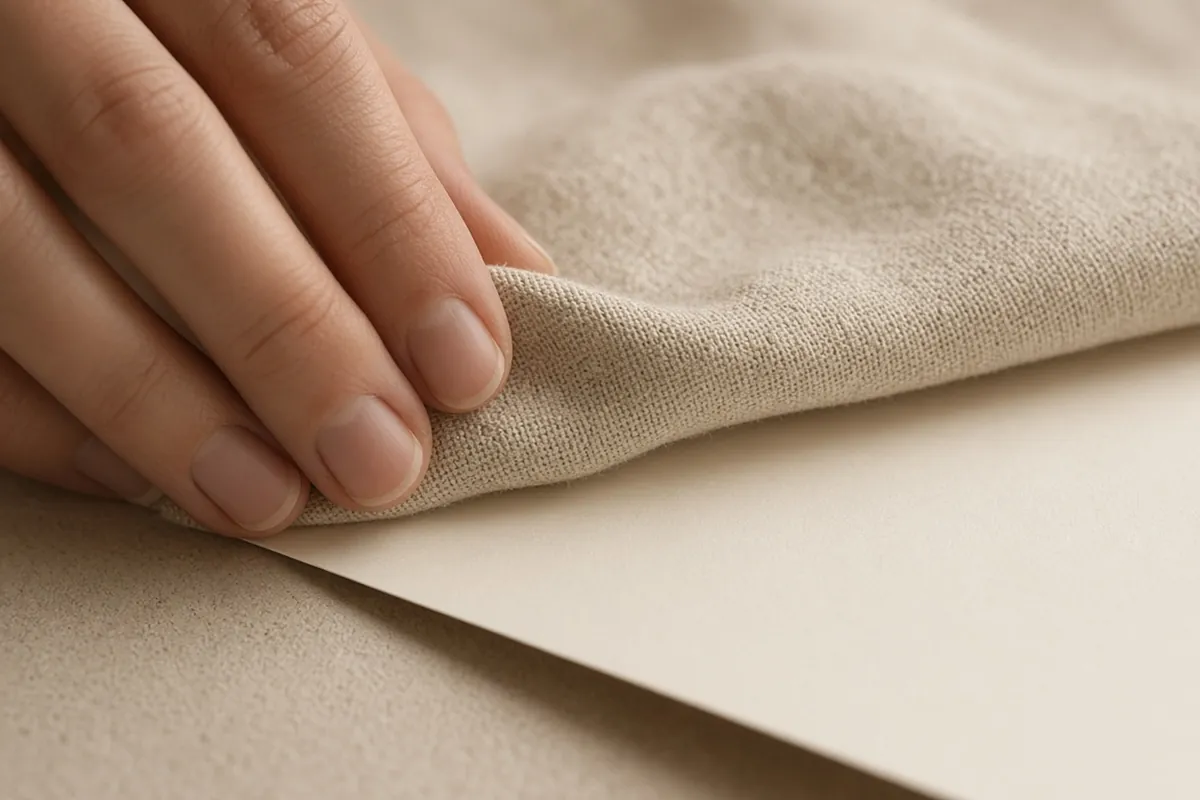
What the tongue is doing besides tasting
Wine Folly says that beyond taste, the texture of a food or drink is of major importance. Its example of astringency is a wet used teabag on the tongue: the tongue sticks to the mouth, which the page attributes to tannins scraping proteins off the tongue and leaving it dry. Prickle and oiliness are listed there as sensations as well. This page uses the astringency example only. It does not adopt the page’s later placement of sweet or sour on particular tongue regions, because that page also says the tongue map has been disproved.
Wine Anorak, 19 November 2020, says information also comes from touch, the way the wine feels in the mouth, and that smell, taste and touch are combined before a person is aware of them. The “taste” of the wine, in that account, is not taste in the strict sense.
Appearance gets a vote before the sip
The same Wine Anorak article says the eyes tell the brain a lot about the wine and influence perception before awareness, which makes the contributions hard to unpick. Wine Folly says a true tasting should be done blind because people make decisions about wine from how it looks.
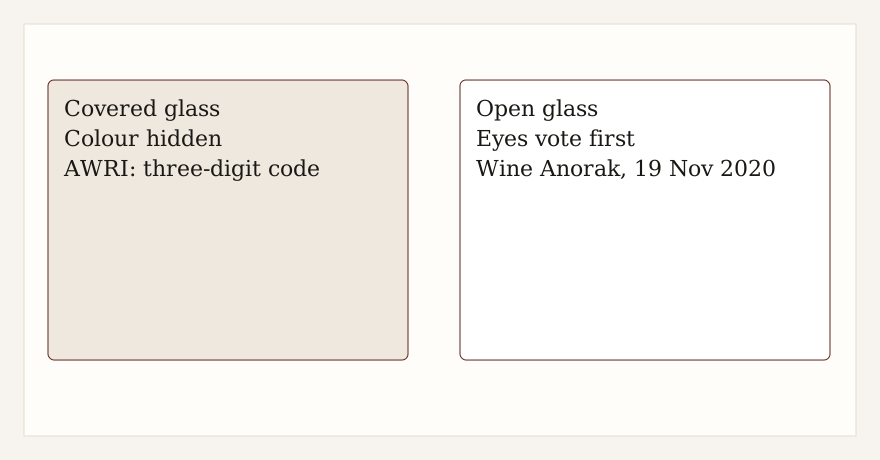
The Australian Wine Research Institute’s practical considerations page treats visual bias as one of the presentation effects to reduce. It says identification of the wines should not be known, order should be randomised and different for each taster, and samples should ideally be in covered glasses coded with three-digit numbers. Those instructions are for wine. They are not a protocol for a lotion or a pouch.
What not to carry across
A laboratory note that a wine felt dry does not say a fabric, a cap or a cream will feel a certain way. The institute page’s pouring volume and temperature belong to wine tastings and are quoted on the test checklist, not here as product specifications. Skin feel is a different note from fragrance; that split is on the fragrance page.