
A cherry note in a drink is easy to file under taste. The wine pages read for this article put that note under smell.
Flavour, in those pages, is mostly smell reaching the nose from the mouth. Taste, in the strict sense, is the short list of qualities sensed on the tongue. The pages are about wine. They are not a test of a packaged food, and they are not advice about a lost sense of smell.
This page sits in sensory science. Mouthfeel and what the eyes suggest are handled on the texture page.
Two routes for smell
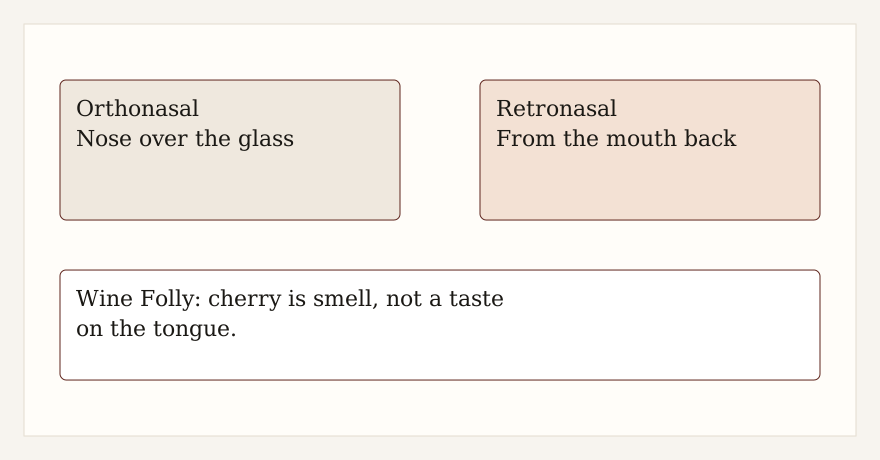
Wine Folly’s tasting explainer names two routes. Orthonasal olfaction is the external one: the nose is over the glass. Retronasal olfaction is the internal one: aromas travel from the mouth to the nose. The page says the perception of flavour is that second route, and that saying a wine “tastes” of cherry is, on this account, smelling cherry. It says people are not able to taste cherry.
A Wine Anorak article dated 19 November 2020 uses the same split. Sniffing the wine is orthonasal olfaction: volatile molecules detected at the olfactory epithelium. Wine in the mouth is retronasal: volatiles enter the nose from the mouth. The article says the conscious “taste” of wine includes a lot of smell, plus touch, and that the eyes also inform the brain before a person is aware of the combined sensation.
Five tastes, not a map of the tongue
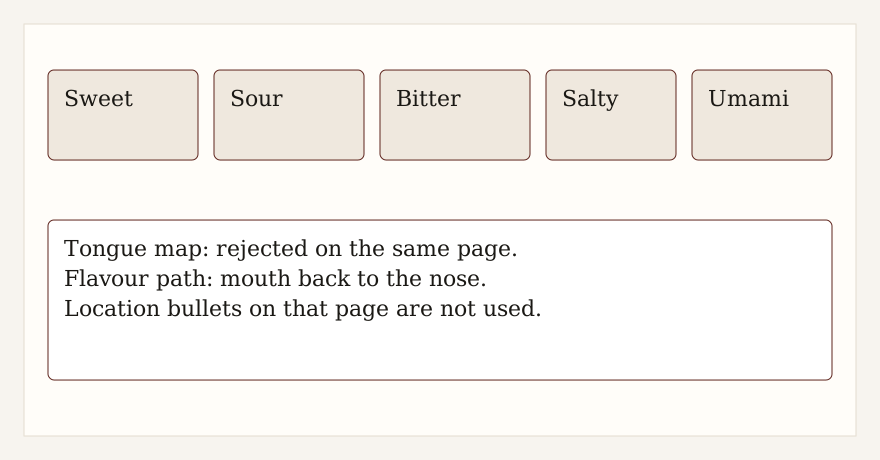
Wine Folly lists five primary tastes: sweet, sour, bitter, salty and umami. It says the older idea that different areas of the tongue taste different things has been shown to be wrong, and that taste buds can sense all five.
The same page later places sweet, sour, salty and other feelings on particular parts of the tongue. Those location lines are not used here, because they sit next to the page’s own rejection of a tongue map. The page also says fattiness and maltodextrin are under study. They are not added to the list of five.
The page says tolerances differ from person to person, including tolerance of bitterness, and that one person’s cherry need not be another’s. That is a statement about disagreement among tasters. It is not a finding that a product has a flavour.
Where this stops
The Wine Anorak article says people with an impaired sense of smell, including after a viral infection, have been shown to benefit from smell training, and it points to training programmes. This site does not assess smell, does not train anyone, and does not treat that sentence as care advice.
Neither page reports a sample size, a year of a clinical trial, or a result for food packaging. A small tasting that wants to keep smell and taste from being muddled has to say which route it is asking about. The test checklist is the wine-institute version of that question, with its own limits.