
A cream can smell of something and feel slippery. Those are not one observation, and neither one is a result.
Chemists Corner describes emollients as ingredients that change how a lotion feels, and lists fragrance as another raw material. The wine explainer used on the taste page makes a similar split for drinks: flavour notes are smell, and texture is something else. This page does not turn either source into a claim that a product treats skin.
The section is beauty sensory. The drink version of the split is smell versus taste.
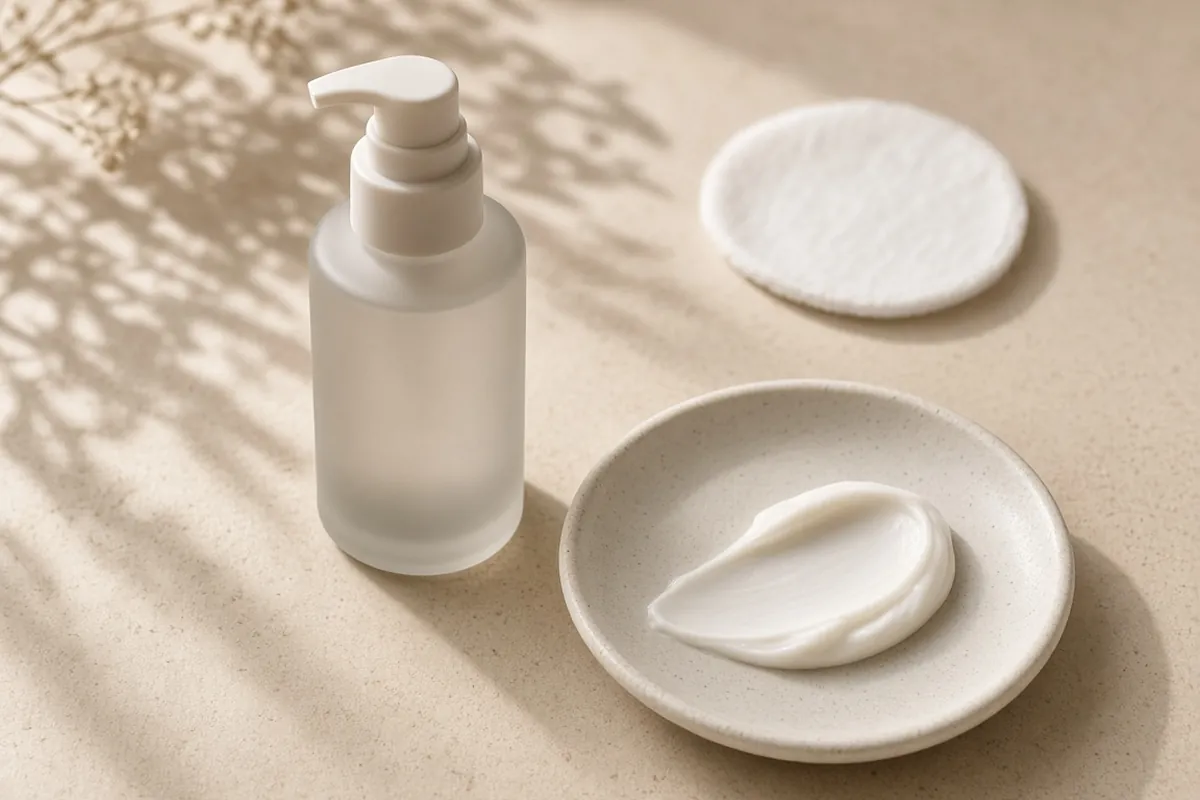
What the formulation page assigns to feel
Chemists Corner says emollients are added to improve the feel of a lotion on the skin and can reduce the tackiness and greasiness caused by the other moisturising ingredients. It names coconut oil, cetyl esters and certain silicones as common emollients. It also says fragrance, preservative and colorants are included as raw materials in a formulation.
The same page describes a lotion as a mixture of oils and water, and it describes occlusive ingredients and humectants as affecting water at the skin. That is the page’s account of moisturising. It is not adopted here as evidence that a product works, is safe, or will feel the same on every person. No concentration, test panel or skin measurement was printed in the passage that was read.
Smell still is not touch
Wine Folly’s tasting explainer says aroma is smell, including the retronasal route from the mouth, and that texture is of major importance beyond the five tastes. A fragrance sniffed from a bottle is the external route, closer to what that page calls orthonasal smell. The feel of a cream on skin is not that route. The page is about wine, so it does not rate a cosmetic.
A person can like a smell and dislike a drag on the skin, or the reverse. The formulation page’s reason for emollients is the drag: tack and grease. Liking either note is not a safety result and not an effectiveness result.
What a note should keep apart
| Note | Question it can answer | Question it cannot answer |
|---|---|---|
| Fragrance | What was smelled, and from where? | Whether the product is effective or safe |
| Emollient feel | Did the page mean tack or grease? | Whether every user will feel the same thing |
| A wine flavour word | Was it smell from the mouth? | How a cream will smell on skin |
If the worry is that appearance is steering the judgement before anyone touches the product, the texture page is about that problem in wine, not a skin study.